Skip to main content

Latest from BCA Research
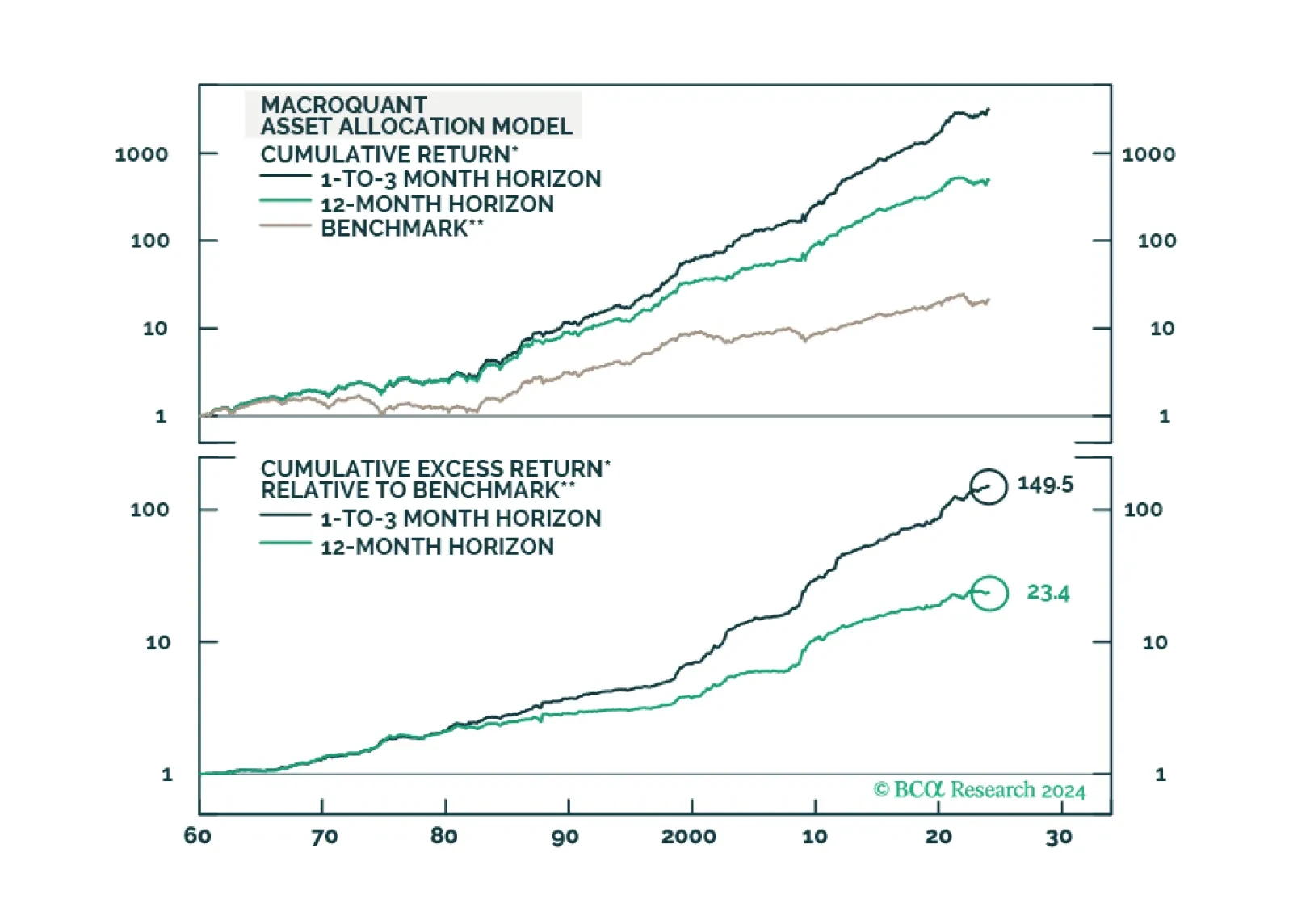
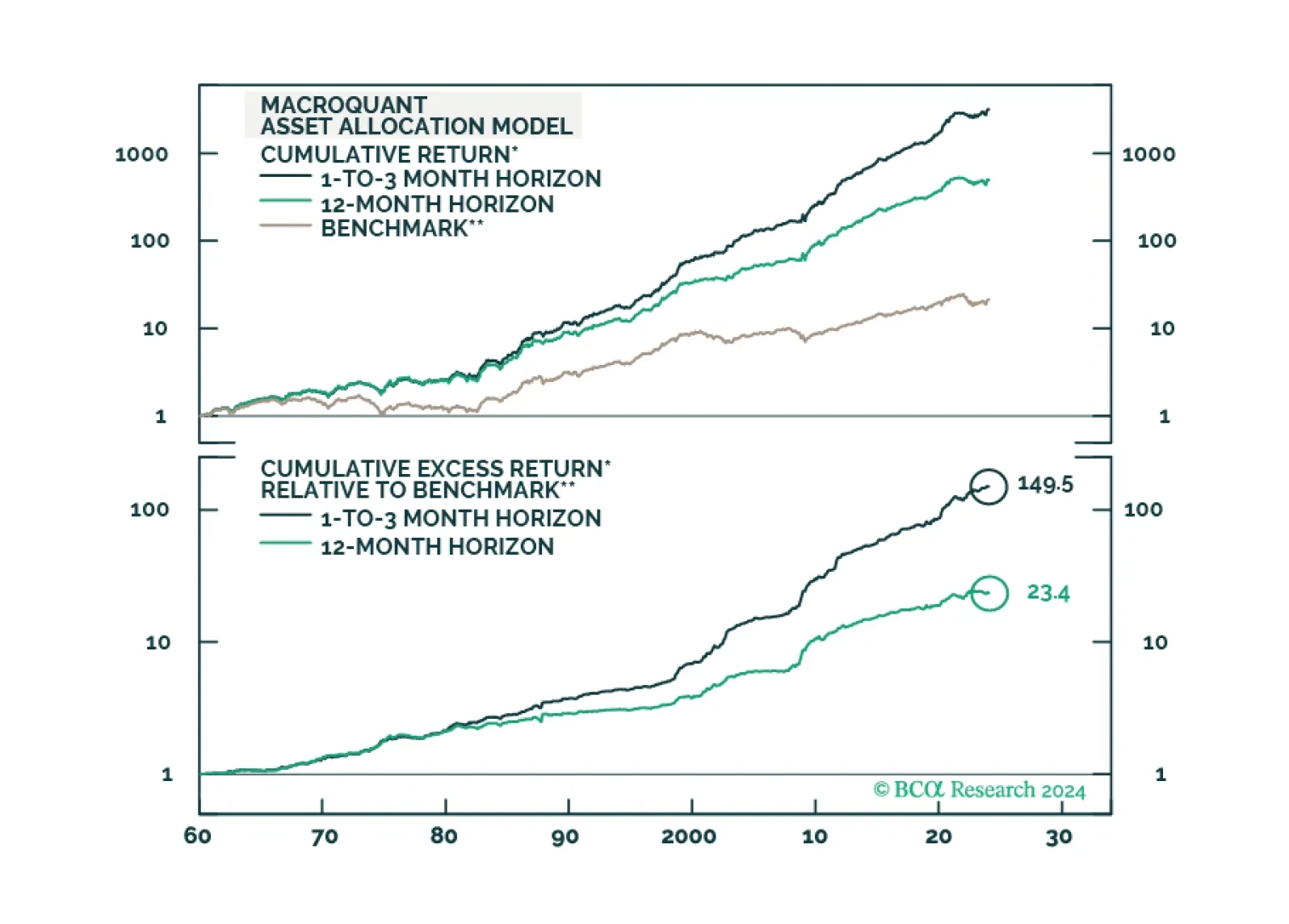
Bank Credit Analyst Today we are sending you the white paper introducing our next-generation MacroQuant 2.0 model. Two years in the making, this model distills everything I have learned about economics and financial markets over the past 30 years into simple buy and sell signals.
Today we are sending you the white paper introducing our next-generation MacroQuant 2.0 model. Two years in the making, this model distills everything I have learned about economics and financial markets over the past 30 years into simple buy and sell signals.
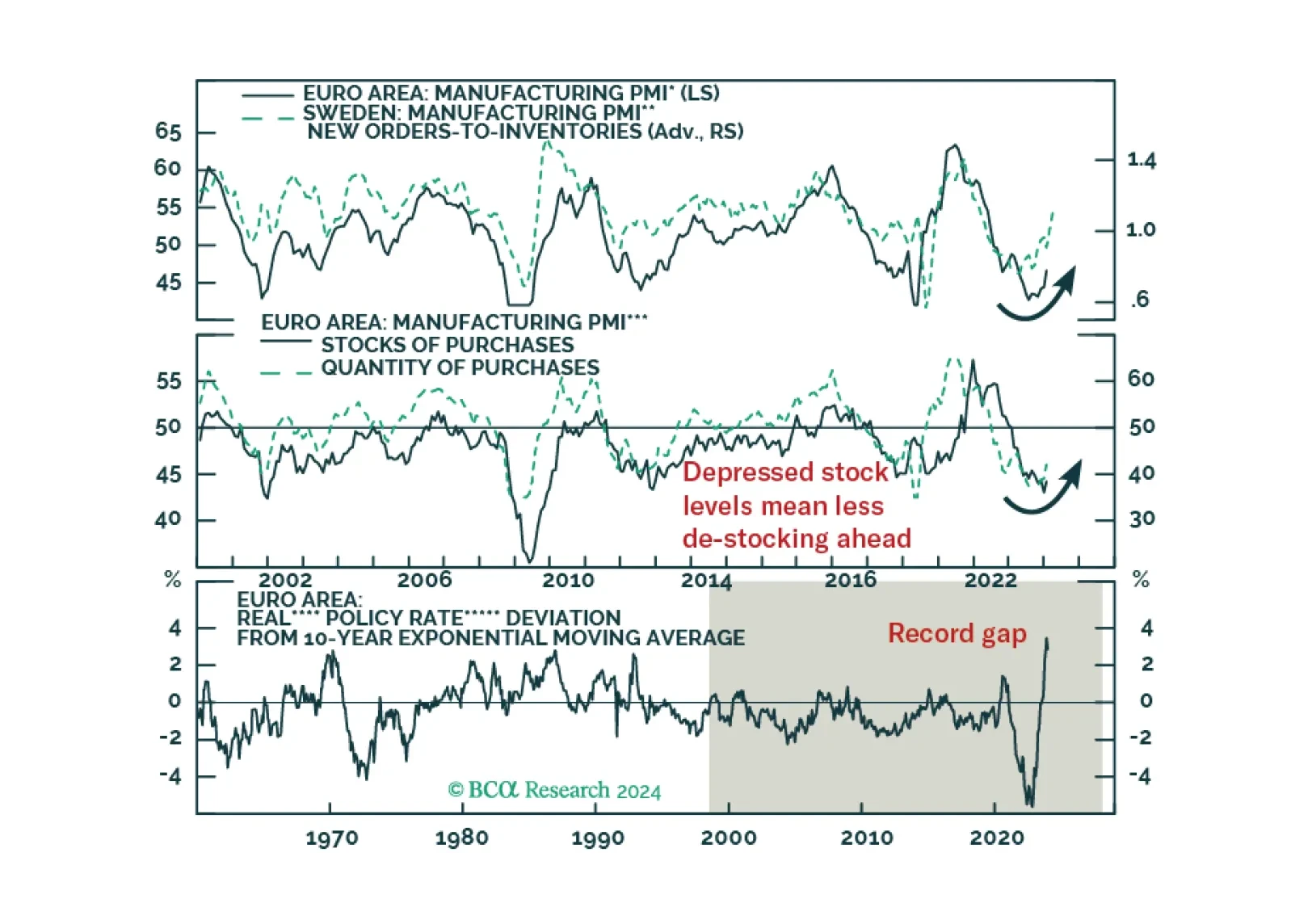
Is the rebound in European PMIs enough to boost the appeal of European risk assets?
A recent slew of macroeconomic data has reassured us that the runway to a recession is longer than many thought. However, that positive realization comes with two caveats. First, the Fed pivot is not imminent, and the magnitude of rate cuts may disappoint. Second, the recession has been delayed but not avoided. Further, geopolitical risk is elevated. We will overweight Tech on the next dip and upgrade Retail to an overweight.
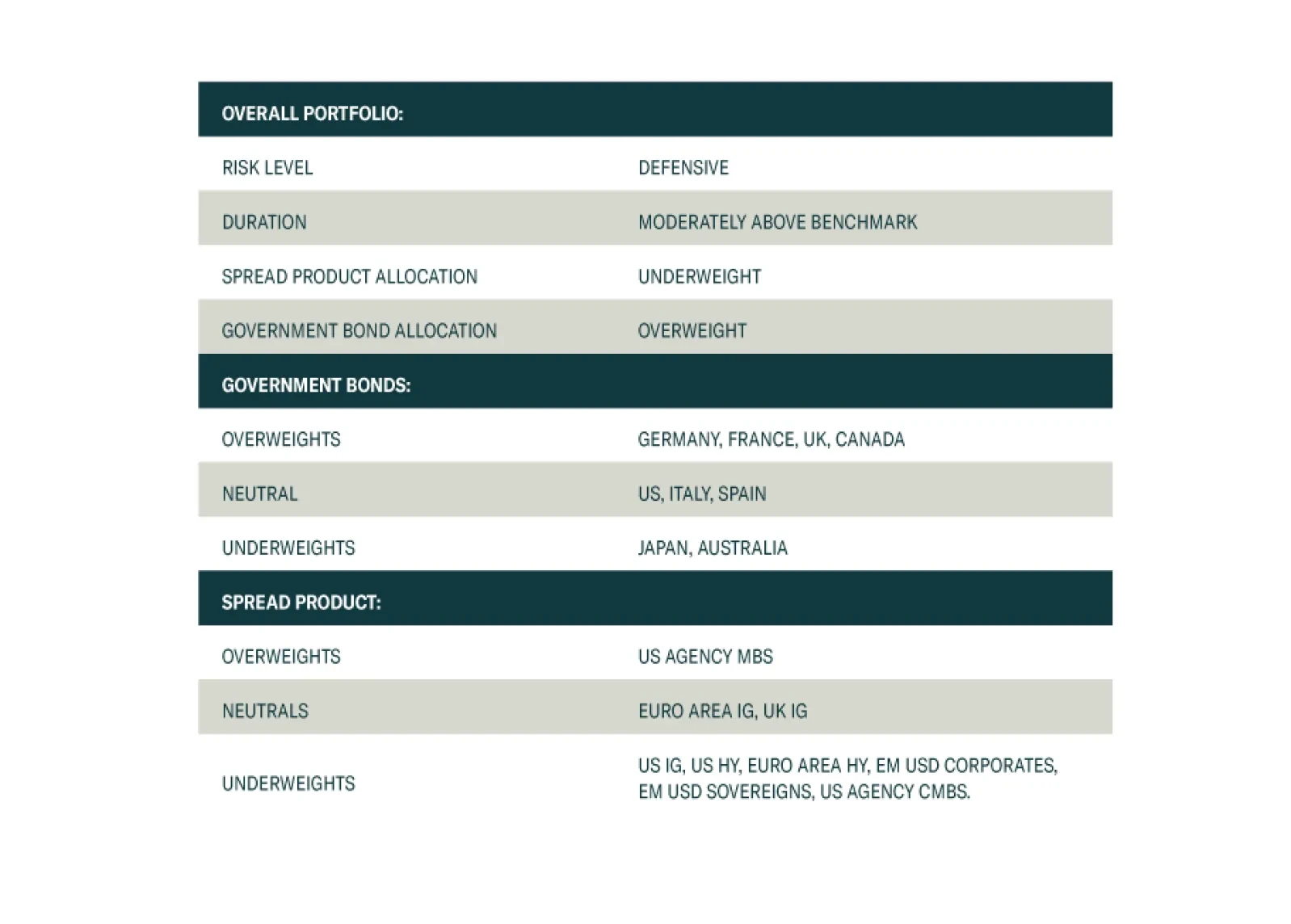
We present the performance review of the Global Fixed Income Strategy Model Bond Portfolio for 2023. We also discuss the outlook for 2024 performance based on our Key Views for the year. The portfolio is positioned to benefit from a year where the global backdrop will be one of weak growth and further declines in inflation, leading central bank to begin cutting interest rates.
Special Report Commodity volatility will continue its rising trend since 2014. The US is on the brink of a major election, the outcome of which could reduce its willingness to engage with the outside world. So, states seeking to carve out their own spheres of influence are incentivized to raise the economic costs to the US and discourage its influence in their regions. These states can do this by interfering in key trading routes in their regions. As a result, geopolitical threats to maritime chokepoints are a structural as well as cyclical problem and will persist due to the revival of superpower competition.
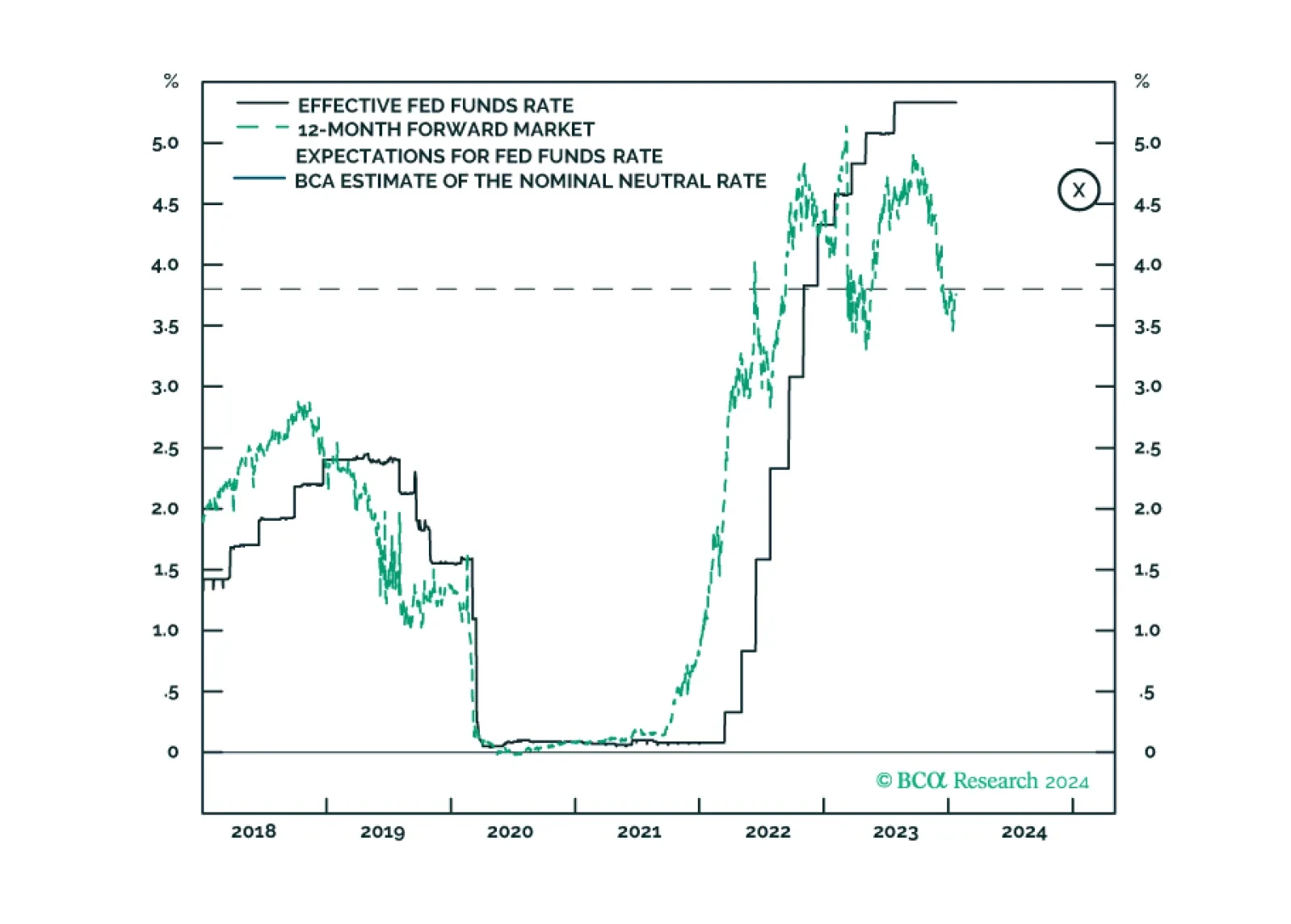
Low inflation argues for the Fed to move relatively quickly toward rate cuts. Continued above-trend GDP growth poses a risk to this view, but leading indicators point to slower growth in the coming quarters.
We look at the implications for FX from the slew of central bank meetings this week.
Bank Credit Analyst
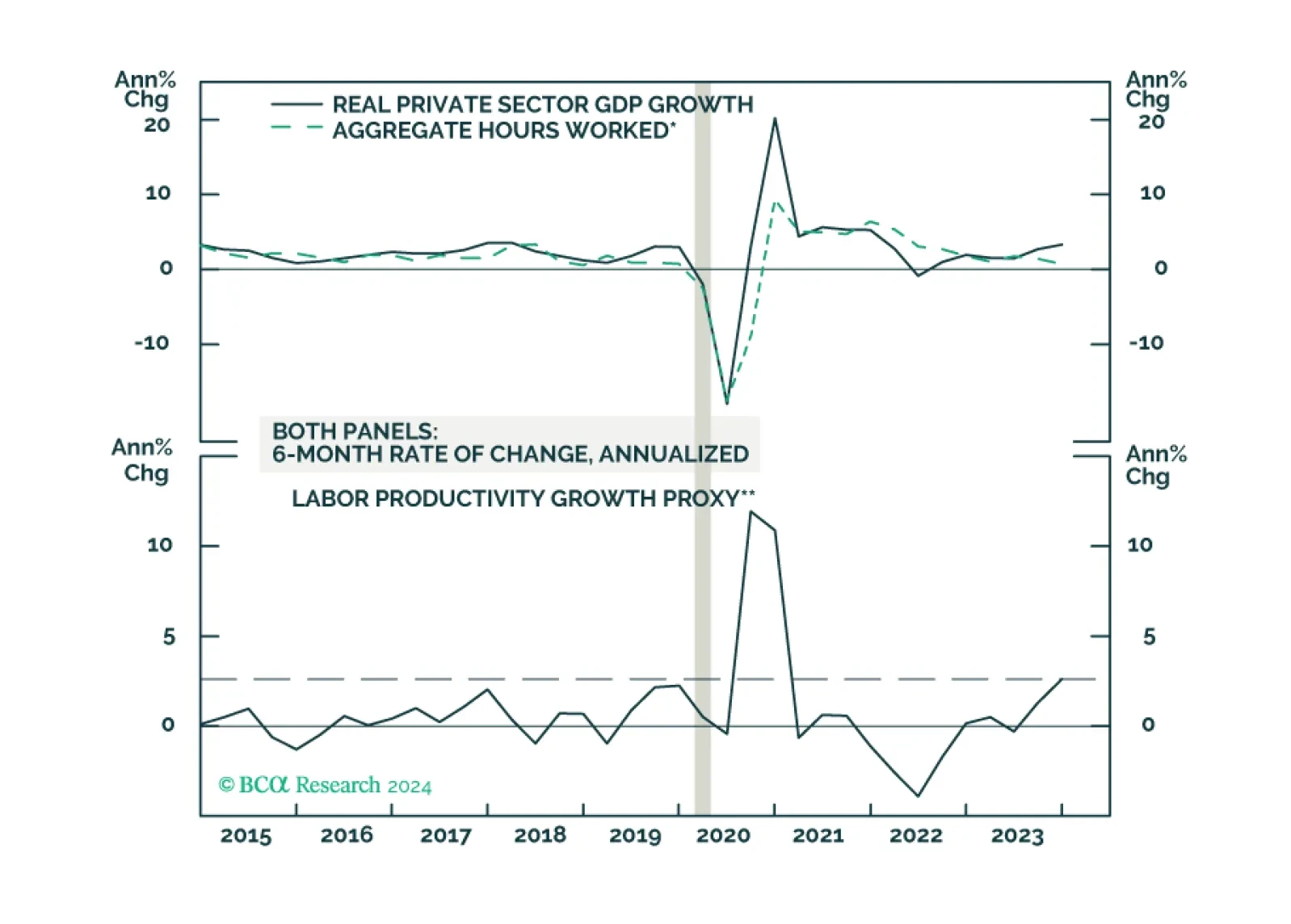
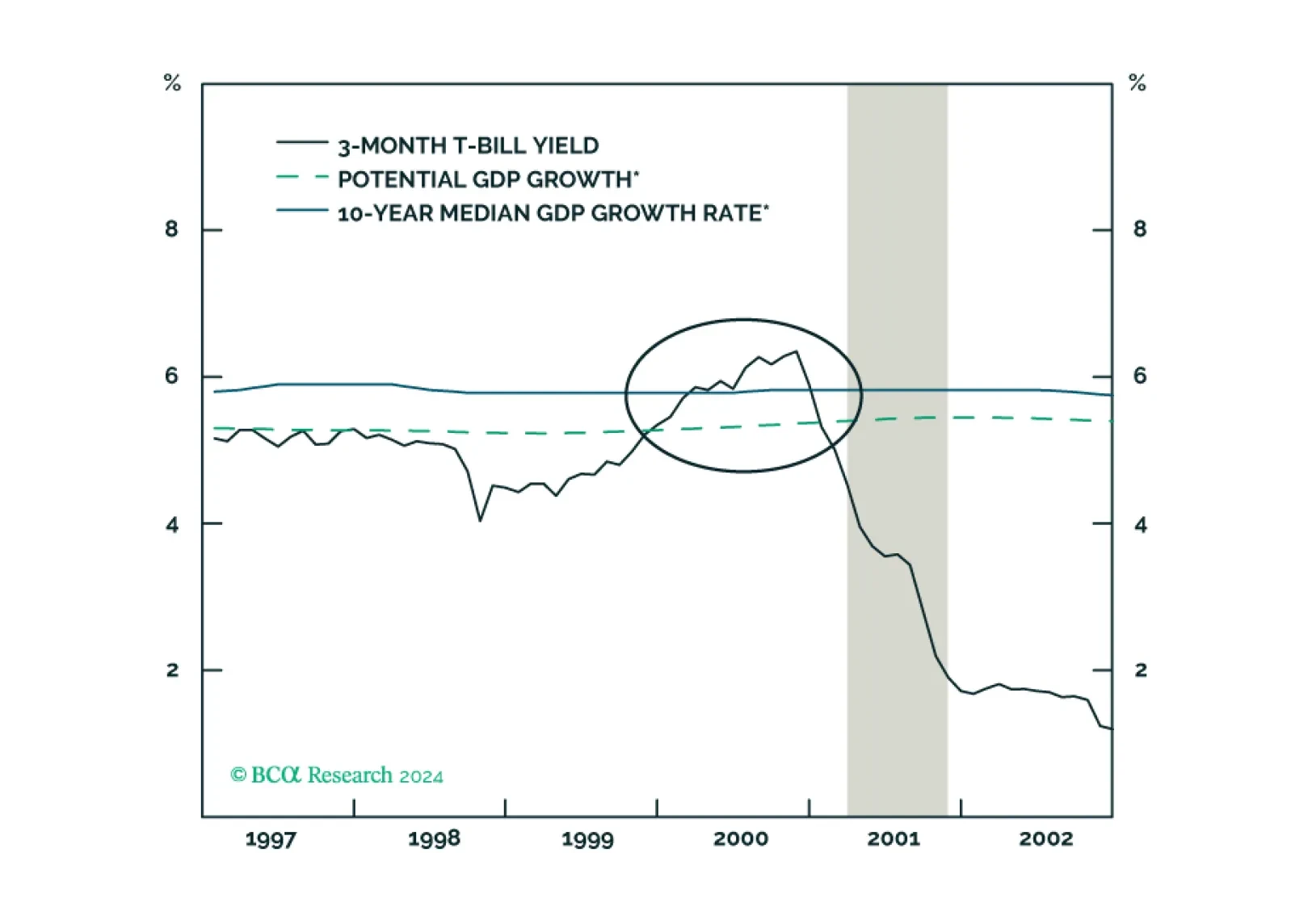
Bank Credit Analyst In Section I, we discuss the important flaws in the market’s “Goldilocks” economic narrative. Forward-looking measures of labor demand are heralding an eventual rise in the unemployment rate, and it is unlikely that this will occur in a benign fashion. This underscores that the US economy remains on a recessionary trajectory so long as monetary policy remains tight. Over the very near term, the Fed's December policy shift will remain a bullish factor for risky asset prices. But over a 6-12 month time horizon, investors should still be underweight risky assets and long fixed-income duration. In Section II, we review the post-World War II recessions to understand their causes and to see what indicators have been the most successful at signaling the end of recessionary selloffs in equity markets. We present an early draft “economic recovery checklist” for investors to monitor as a guide to determining when to increase one’s allocation to equities and other risky assets in the middle of a recession.