 FICC
One macro framework for rates, FX, credit, and commodities, helping investors connect cross-market signals and position with clarity and conviction.

Fed dovishness is weakening the U.S. dollar. As the ECB and BoJ move to the sidelines and the Fed remains reluctant to hike rates, the euro and Japanese yen should continue to recover versus the greenback.

While the post-GFC linkage between oil prices and medium-term inflation expectations evident in the 5-year/5-year (5y5y) CPI swaps market will continue to be debated for years to come, this is an empirical fact that will affect monetary policy and the evolution of FX and real interest rates over the medium term.


The inflation outlook priced into the market is overly bearish, and TIPS breakevens will move higher as the drag on inflation from food and energy prices dissipates.
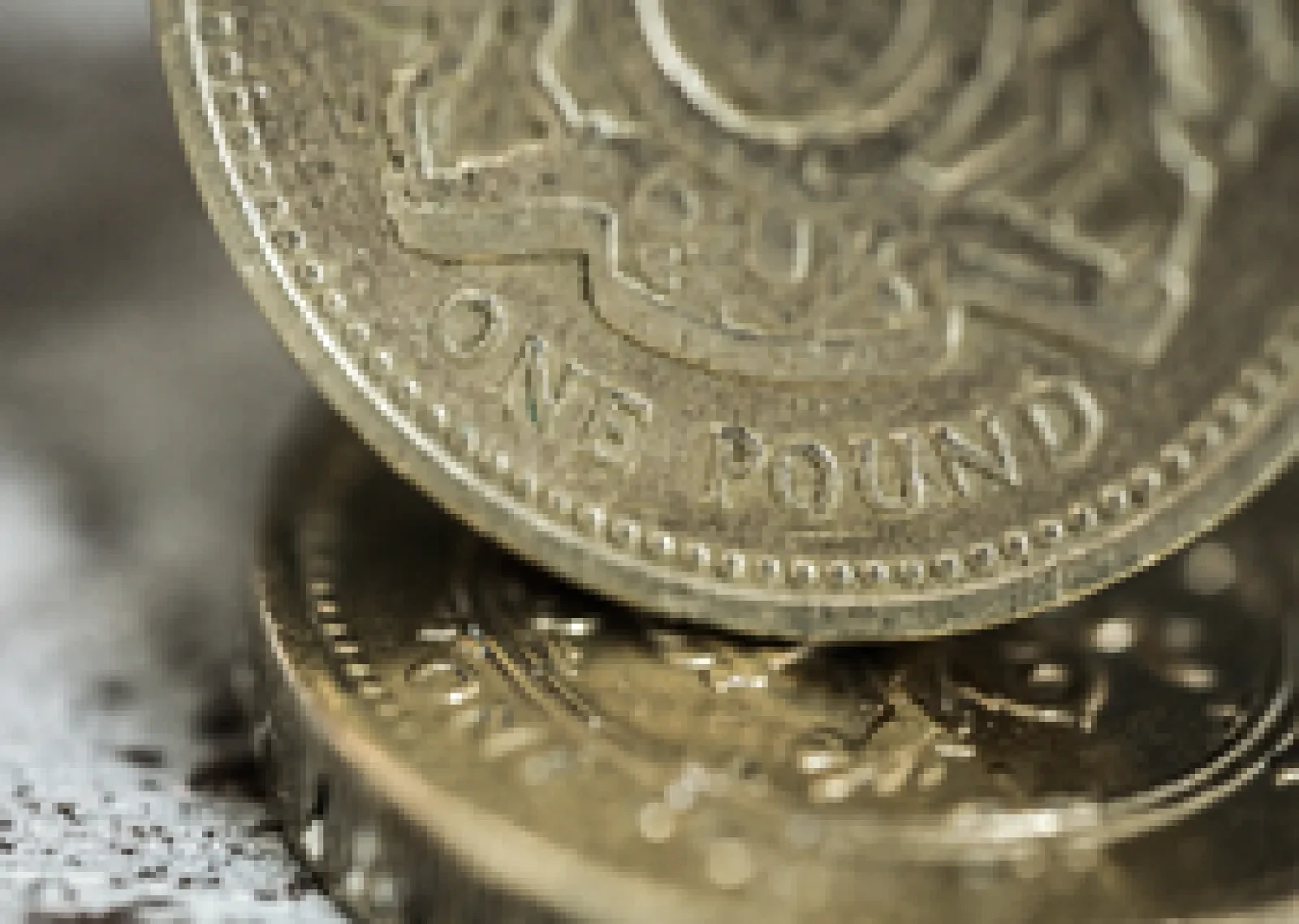
The British pound may be prone to further weakness in the coming months as the odds of a Brexit rise.

Lower oil prices are aggravating financial and social stress in poorer OPEC states, particularly in Venezuela, where the government recently executed a gold-for-cash swap ahead of looming debt payments.

The Fed's recent dovishness represents an acknowledgement of the feedback loop between Fed policy and financial conditions. Expect Fed hawkishness to ramp back up prior to the next rate hike, likely in June.

The Fed's recent dovishness represents an acknowledgement of the feedback loop between Fed policy and financial conditions. Expect Fed hawkishness to ramp back up prior to the next rate hike, likely in June.

A surprisingly dovish outcome from this week's FOMC meeting has led to broad-based weakness in the U.S. dollar. The monetary policy divergence supporting the dollar may have peaked.

We differ markedly with the U.S. EIA's assessment of the near-term evolution of oil supply and demand.